Least Concern
European Souslik
Spermophilus citellus
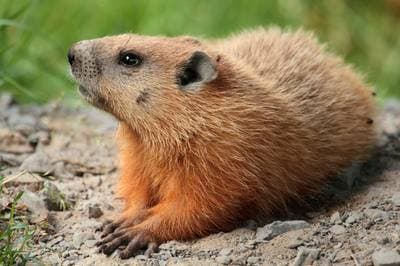
The European souslik, also known as the European ground squirrel, is a small terrestrial rodent inhabiting the grasslands of Central and Eastern Europe. With its compact body, short tail, and large eyes, it resembles a mix between a hamster and a prairie dog.
Charles J. Sharp (CC BY-SA 4.0)
Learn together
Use this page to talk about conservation, habitat, and why each species matters.
Quick facts
Perfect for kids and families
⚖️Weight
0.19–0.34 kg
⏳Lifespan
4–7 yrs
🍽️Diet
Herbivore
⚡Top speed
25 km/h
Mini challenge
What does European Souslik usually eat?
Try together before you keep scrolling
Pick an answer
Weight
0.19–0.34 kg
Length
19–23 cm
Top Speed
25 km/h
Lifespan
4–7 yrs
Diet
Herbivore
Listen to this species
Ljud
Distribution map
Utbredning
Adventure step • Meet the species
Overview
The European souslik, also known as the European ground squirrel, is a small terrestrial rodent inhabiting the grasslands of Central and Eastern Europe. With its compact body, short tail, and large eyes, it resembles a mix between a hamster and a prairie dog. Its short fur varies from grey-brown to yellowish-brown with small light spots on its back, giving it a speckled appearance. These small rodents weigh between 190 and 340 grams and reach 19-23 centimeters in length, with a tail adding another 5-7 centimeters. The souslik is a master at digging complex burrow systems underground. These subterranean homes can have multiple entrances, living chambers, and special storage areas where they hoard food. During summer, they are extremely active, spending their days foraging, sunbathing on rocks, and warning each other of dangers with loud whistling calls. They are diurnal animals, most active during mid-morning and late afternoon when temperatures are moderate. These small squirrel-like rodents are strictly herbivorous, feeding on grasses, herbs, seeds, roots, and occasionally legumes. They have cheek pouches where they can transport food to their storage chambers. During early summer, they eat intensively to build up fat reserves for winter. The souslik is famous for its extremely long and deep hibernation, which can last up to eight months, from September until April or May, depending on climate and geographical location. Unfortunately, the European souslik is one of Europe's most threatened rodents. The species has declined dramatically over the past century due to habitat loss as old pastures have been converted to arable farmland or become overgrown. They are classified as Vulnerable by the IUCN, and many local populations have already disappeared entirely. Conservation efforts focus on restoring and preserving traditional grasslands and pastures where these charming little animals can survive.
Adventure step • Where it lives
Habitat
GrasslandFarmlandHeathland
The European souslik lives exclusively in open grasslands, steppe-like landscapes, and short-grass meadows in Central and Eastern Europe. They prefer areas with well-drained, sandy or loamy soil that is easy to dig in. Traditional pastures where livestock graze and keep the grass short are perfect homes for these animals, as they need good visibility to detect predators. They also thrive along roadsides, at airports, on golf courses, and other areas with short grass where they can dig their burrows. Historically, the souslik was widespread across large parts of Central Europe, from Austria and the Czech Republic in the west to Ukraine and Romania in the east. Today, their range is heavily fragmented, and they remain in isolated colonies. They avoid forested areas, dense vegetation, and wetlands. The species requires specific habitats with low vegetation where they can sunbathe, forage, and watch for dangers, making them highly vulnerable to changes in land use.
Adventure step • Through the seasons
Seasonal Behavior
The souslik has one of the longest hibernation periods among European mammals. They enter hibernation as early as August or September and don't wake until April or May, meaning they can sleep for 7-8 months. During late spring and summer, they are extremely active and must eat a lot to build up sufficient fat reserves to survive the long winter. The mating season occurs almost immediately after they wake in spring, and young are born in May or June after a gestation period of about 25 days. The young become independent after just 6-8 weeks and must quickly learn to feed and build up fat reserves before entering their first hibernation.
Adventure step • Family life
Breeding
Gestation
25 days
Offspring
2–10
Adventure step • Wild behavior
Behavior & Ecology
Activity Pattern
Diurnal
Social Behavior
Sousliks live in loose colonies where several families build their burrows relatively close to each other. They communicate with various whistling calls and alarm signals when predators approach.
Migration
Resident
Population
Less than 1 million individuals, rapidly declining
Did you know?
Sousliks can sleep for up to 8 months a year during hibernation – longer than almost any other mammal!
When warning their companions of danger, they stand up on their hind legs like little tennis umpires and whistle loudly.
During hibernation, their body temperature drops from 38°C to just 5-8°C, and their heart beats only 5 times per minute instead of 200-300 times.
They have special cheek pouches where they can carry food – like a built-in grocery bag!
Sousliks can recognize their family members by scent and greet each other by touching noses.
A female can have up to 10 young at once, but usually 5-8 tiny babies are born completely naked and blind.
They build toilets in special parts of their burrow system, far from where they sleep – they are very clean animals!
Sousliks can run up to 25 kilometers per hour when fleeing from predators like eagles, hawks, or foxes.
Adventure step • Scientific place
Taxonomy
KingdomAnimalia
ClassMammalia
OrderRodentia
FamilySciuridae
SpeciesSpermophilus citellus
No sources have been added yet.
Cite this page
Fun Wild Facts (2026) European Souslik (Spermophilus citellus). https://www.funwildfacts.com/europa/mammal/european-souslik [May 30, 2026]
Similar animals
Least Concern
🦬 Mammals
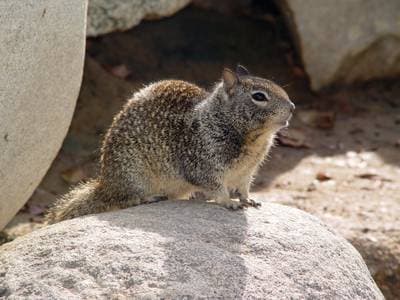
California Ground Squirrel
Otospermophilus beecheyi
0.28–0.74 kg
3–10 yrs
GrasslandWoodlandRocky Cliffs+3
Least Concern
🦬 Mammals
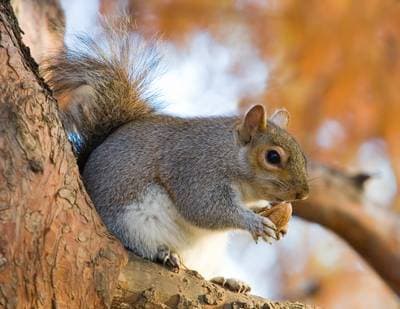
Eastern Gray Squirrel
Sciurus carolinensis
0.4–0.7 kg
6–12 yrs
ForestWoodlandGarden+2