Least Concern
Broad-Bordered Yellow Underwing
Noctua fimbriata
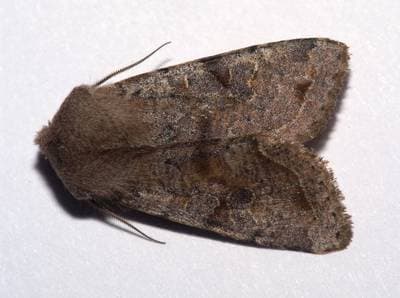
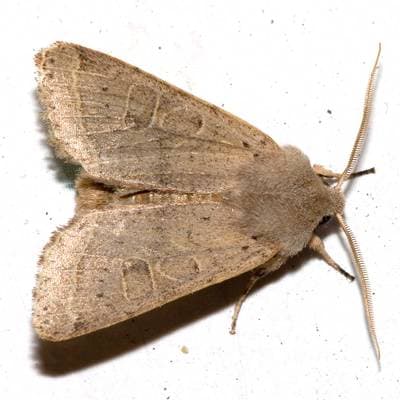
The Broad-Bordered Yellow Underwing (Noctua fimbriata) is a medium to large noctuid moth belonging to the family Noctuidae. With a wingspan of 5-6.2 centimeters, it is one of the larger species in its genus.
Lymantria (CC BY-SA 3.0)
Learn together
Use this page to talk about conservation, habitat, and why each species matters.
Quick facts
Perfect for kids and families
⚖️Weight
0.0003–0.0006 g
⏳Lifespan
0.08–0.25 yrs
🍽️Diet
Herbivore
🛡️Status
Least Concern
Mini challenge
What does Broad-Bordered Yellow Underwing usually eat?
Try together before you keep scrolling
Pick an answer
Weight
0.0003–0.0006 g
Length
2.2–2.8 cm
Wingspan
5–6.2 cm
Lifespan
0.08–0.25 yrs
Diet
Herbivore
Listen to this species
Ljud
Distribution map
Utbredning
Adventure step • Meet the species
Overview
The Broad-Bordered Yellow Underwing (Noctua fimbriata) is a medium to large noctuid moth belonging to the family Noctuidae. With a wingspan of 5-6.2 centimeters, it is one of the larger species in its genus. The moth gets its English name from its distinctive yellow hindwings, which feature a broad dark brown to blackish border along the outer edge. The forewings are brown to grey-brown with complex markings and wave patterns that provide excellent camouflage against bark and lichen when the moth rests during the day. This species is well adapted to northern climates and occurs throughout the Nordic region, from southern Scandinavia up to mountain areas in the north. It inhabits diverse environments, from deciduous and coniferous forests to heathlands, meadows, and gardens. The larvae are polyphagous, meaning they can feed on many different host plants. However, they prefer herbaceous plants and grasses, particularly buttercups, dandelions, dock species, and various grasses. The caterpillars are nocturnal and hide in the soil or under plant material during the day. The adult moth flies in one generation per year, mainly during July and August, with flight times varying depending on geographic location and altitude. In southern parts of the range, they may begin flying as early as June. Like most noctuids, the species is nocturnal and is easily attracted to light, making it a common visitor to light traps used by entomologists to survey moth populations. The female lays her eggs in clusters on or near host plants, and the eggs overwinter before hatching in spring. The Broad-Bordered Yellow Underwing plays an important role in the ecosystem both as a herbivore (in the larval stage) and as prey for nocturnal predators such as bats and nightjars. The species is considered common and stable throughout its range and is not threatened. The moth is an excellent example of how insects have adapted to the seasonal variations of northern climates.
Adventure step • Where it lives
Habitat
ForestWoodlandHeathlandGrasslandGardenFarmlandMountain
The Broad-Bordered Yellow Underwing is a highly adaptable species that thrives in a wide variety of habitats. It occurs in deciduous and coniferous forests, forest edges, clearings, heathlands, meadows, parks, and gardens. The species shows a preference for open or semi-open environments where host plants grow abundantly. In Scandinavia, it is often found in agricultural landscapes where meadow flowers and wild herbs are plentiful. The larvae depend on low-growing plants and herbs for their survival, which means the species commonly occurs where vegetation is diverse and contains many different flowering plants. In mountain areas, the species can be found in alpine and subalpine zones, where it takes advantage of the short summers for its development. The moth occurs from sea level up to considerable heights in mountainous regions, demonstrating the species' ability to adapt to different climatic conditions.
Adventure step • Through the seasons
Seasonal Behavior
The Broad-Bordered Yellow Underwing has an annual cycle that is carefully adapted to the Nordic climate. Adult moths fly during late summer, mainly in July and August, when they mate and lay eggs. Eggs are laid in clusters on or near host plants and overwinter in this stage. This is an important adaptation to the cold climate, as the eggs are highly frost-resistant. In spring, when temperatures rise, the caterpillars hatch and begin feeding intensively to grow. The larvae undergo several molts during spring and early summer before pupating in the soil during June-July. The pupal stage is the shortest and usually lasts 2-4 weeks before the adult moth emerges and the cycle begins again.
Adventure step • Family life
Breeding
Offspring
200–500
Adventure step • Wild behavior
Behavior & Ecology
Activity Pattern
Nocturnal
Social Behavior
Adult moths are solitary and only meet for mating. Caterpillars live alone and are territorial.
Migration
Resident
Population
Common and stable throughout its range
Did you know?
The yellow hindwings are only visible when the moth is flying – when resting, they're hidden beneath the camouflaged brown forewings!
Caterpillars can eat their own body weight in plant material every day during their most active growth period.
The species can live at altitudes of over 2,000 meters in mountainous areas of southern Europe.
The yellow coloring on the hindwings functions as a warning signal that can startle predators when suddenly displayed.
The eggs overwinter and can withstand temperatures down to -30°C without damage.
Caterpillars can take up to 10 months to develop from egg to moth in northern areas.
A female can lay up to 500 eggs during her lifetime, but only a fraction survive to adulthood.
The moth's camouflage is so effective that researchers sometimes struggle to find them even when they know exactly where they're resting!
Adventure step • Scientific place
Taxonomy
KingdomAnimalia
ClassInsecta
OrderLepidoptera
FamilyNoctuidae
SpeciesNoctua fimbriata
No sources have been added yet.
Cite this page
Fun Wild Facts (2026) Broad-Bordered Yellow Underwing (Noctua fimbriata). https://www.funwildfacts.com/norden/insect/broad-bordered-yellow-underwing [May 30, 2026]
Similar animals
Least Concern
🦋 Insects
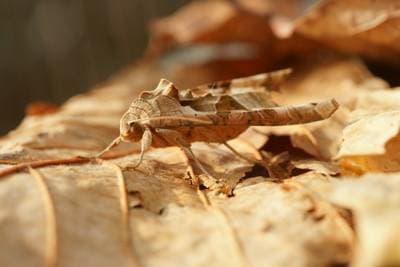
Angle Shades
Phlogophora meticulosa
0.0002–0.0004 g
0.08–0.25 yrs
GardenWoodlandFarmland+4
Least Concern
🦋 Insects
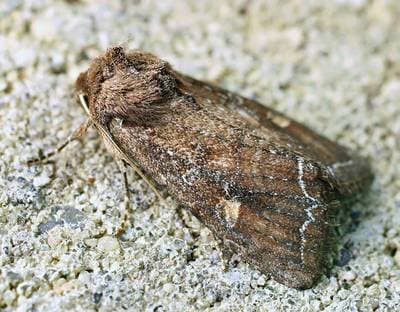
Bright-line Brown-eye
Lacanobia oleracea
0.0002–0.0004 g
0.08–0.25 yrs
GardenFarmlandWoodland+4