Least Concern
Linnet
Linaria cannabina
The Linnet is a small, charming finch belonging to the order Passeriformes and the family Fringillidae. This graceful bird is renowned for the breeding male's beautiful crimson-red breast feathers, while the female is more discreetly dressed in brown and grey tones with streaked patterns.
Charles J. Sharp (CC BY-SA 4.0)
Learn together
Use this page to talk about conservation, habitat, and why each species matters.
Quick facts
Perfect for kids and families
⚖️Weight
15–20 g
⏳Lifespan
2–9 yrs
🍽️Diet
Omnivore
⚡Top speed
40 km/h
Mini challenge
What does Linnet usually eat?
Try together before you keep scrolling
Pick an answer
Weight
15–20 g
Length
12.5–14.5 cm
Wingspan
21–25 cm
Top Speed
40 km/h
Lifespan
2–9 yrs
Diet
Omnivore
Listen to this species
Ljud
Distribution map
Utbredning
Adventure step • Meet the species
Overview
The Linnet is a small, charming finch belonging to the order Passeriformes and the family Fringillidae. This graceful bird is renowned for the breeding male's beautiful crimson-red breast feathers, while the female is more discreetly dressed in brown and grey tones with streaked patterns. The Linnet measures approximately 12.5-14.5 cm in length and weighs only 15-20 grams, making it one of the smaller finches in the Nordic region. With a wingspan of 21-25 cm, the bird is characterized by its short bill and relatively long tail. This small bird has a distinctive appearance with its brown head and pale supercilium. The male in breeding plumage is particularly striking with its carmine-red crown and breast, a color that fades during winter and is entirely absent in females and juveniles. The upperparts are chestnut-brown with dark streaks, while the underparts are whitish with brown-streaked flanks. In flight, prominent white wing bars and white outer tail feathers form a characteristic V-pattern. The Linnet is a singer with a melodious, twittering call often heard from bushes and trees during spring. The song consists of rapid, fluty notes mixed with scratchy sounds, delivered from an exposed perch or during short song flights. The bird is known for its acrobatic flight and can often be seen in small flocks moving across open landscapes in undulating movements. Ecologically, the Linnet plays an important role as a seed-eater and helps disperse various plant seeds. Unfortunately, the species has declined in numbers across much of Europe in recent decades, primarily due to changed agricultural practices and reduced availability of weed seeds. Despite this decline, the Linnet remains a common sight in many parts of the Nordic region during the summer months.
Adventure step • Where it lives
Habitat
HeathlandGrasslandFarmlandGardenCoastWoodland
The Linnet thrives in open landscapes with sparse scrub vegetation and prefers heathlands, pastures, farmland, and coastal areas. The bird is particularly common in places with gorse, juniper bushes, and low scrub where it can build its well-concealed nest. In recent decades, the Linnet has become increasingly common in gardens and parks in urban areas, especially where there are wild corners with thistles and other weeds. During the breeding season, Linnets often choose dense bushes or low-growing trees at heights of 1-2 meters for their nests, but can also nest in hedgerows and coniferous trees. Outside the breeding season, flocks seek open fields, wasteland, and coasts where there are abundant seeds from weeds such as thistles, fat-hen, and various grasses. In winter, Linnets can also be seen at bird feeders where they readily eat sunflower seeds and other small seeds.
Adventure step • Through the seasons
Seasonal Behavior
The Linnet is a partial migrant in the Nordic region, where northern and eastern populations migrate south for winter while birds in southern Sweden, Denmark, and Norway often remain year-round. Spring arrival occurs in March-April when the first males return and begin establishing territories. Breeding takes place from late April to August, and most pairs have two broods per season. During late summer and autumn, Linnets gather in flocks that can contain up to several hundred individuals. Autumn migration occurs from September to November, and many Nordic Linnet flocks overwinter in Central and Southern Europe and around the Mediterranean. However, Linnet flocks are still seen in southern Scandinavia during winter, especially in coastal areas where the climate is milder.
Adventure step • Family life
Breeding
Incubation
12 days
Offspring
4–6
Adventure step • Wild behavior
Behavior & Ecology
Activity Pattern
Diurnal
Social Behavior
The Linnet is a distinctly social bird that lives in flocks outside the breeding season, ranging from a few to several hundred individuals. During breeding, pairs are territorial but often nest in loose colonies where several pairs may have nests relatively close together.
Migration
Partial Migrant
Population
The European population is estimated at 75-150 million individuals, with approximately 500,000-900,000 pairs breeding in Sweden
Did you know?
The Linnet's scientific name 'cannabina' comes from the bird's particular fondness for hemp seeds, which were once an important part of its diet
A male Linnet can have up to 1,000 feathers, and the red color on the breast comes from carotenoids in its food
Linnets can eat up to 6,000 small seeds per day, making them masters of seed extraction
During the 1800s, the Linnet was a popular caged bird in Europe due to its beautiful song, leading to extensive trapping
Linnet flocks can contain several hundred individuals during winter, and they often roost together in dense bushes to keep warm
The bird can recognize and reject empty seeds simply by weighing them in its bill before attempting to open them
Linnet chicks leave the nest after just 11-13 days but are fed by their parents for an additional two weeks
Linnets can hybridize with Greenfinches and produce offspring, although this is rare in nature
Adventure step • Scientific place
Taxonomy
KingdomAnimalia
ClassAves
OrderPasseriformes
FamilyFringillidae
SpeciesLinaria cannabina
No sources have been added yet.
Cite this page
Fun Wild Facts (2026) Linnet (Linaria cannabina). https://www.funwildfacts.com/norden/bird/linnet [May 30, 2026]
Similar animals
Least Concern
🦅 Birds
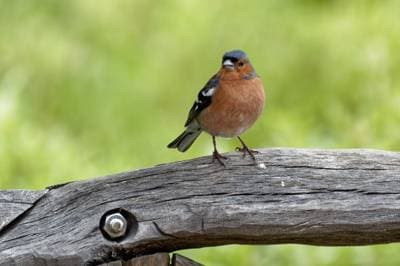
Chaffinch
Fringilla coelebs
18–29 g
2–11 yrs
ForestWoodlandGarden+3
Least Concern
🦅 Birds
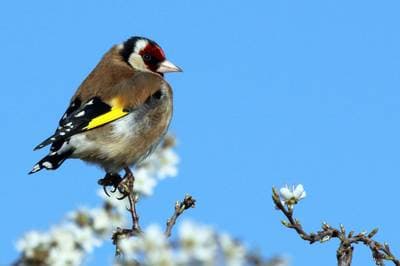
European Goldfinch
Carduelis carduelis
14–19 g
2–8 yrs
GardenFarmlandWoodland+4