Least Concern
Eurasian Sparrowhawk
Accipiter nisus
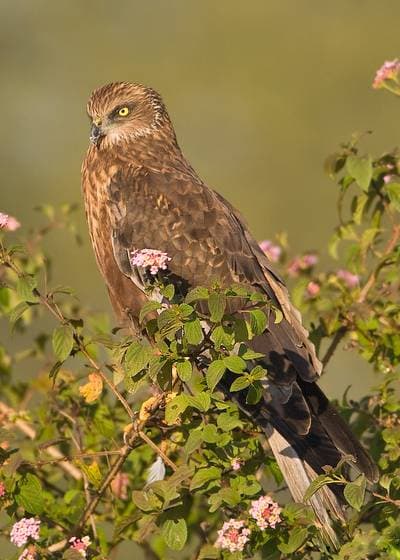
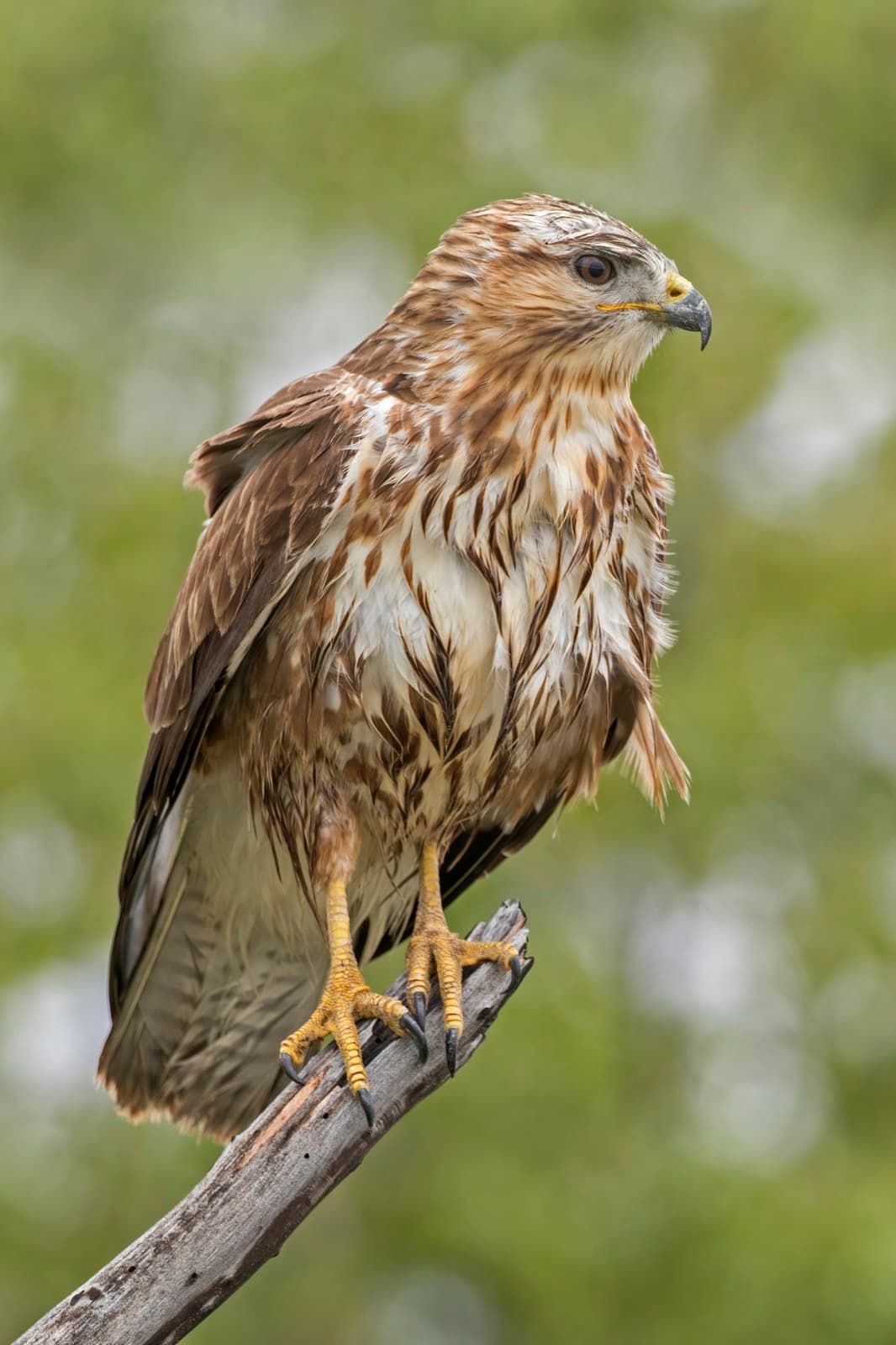
The Eurasian Sparrowhawk is a small but highly skilled bird of prey common across much of Europe and Asia. Belonging to the order Accipitriformes and the family Accipitridae, this raptor is renowned for its ability to hunt small birds with exceptional precision through dense forests and gardens.
Pierre Dalous (CC BY-SA 3.0)
Learn together
Use this page to talk about conservation, habitat, and why each species matters.
Quick facts
Perfect for kids and families
⚖️Weight
0.11–0.34 kg
⏳Lifespan
3–12 yrs
🍽️Diet
Carnivore
⚡Top speed
50 km/h
Mini challenge
What does Eurasian Sparrowhawk usually eat?
Try together before you keep scrolling
Pick an answer
Weight
0.11–0.34 kg
Length
29–41 cm
Wingspan
58–80 cm
Top Speed
50 km/h
Lifespan
3–12 yrs
Diet
Carnivore
Listen to this species
Ljud
Distribution map
Utbredning
Adventure step • Meet the species
Overview
The Eurasian Sparrowhawk is a small but highly skilled bird of prey common across much of Europe and Asia. Belonging to the order Accipitriformes and the family Accipitridae, this raptor is renowned for its ability to hunt small birds with exceptional precision through dense forests and gardens. With relatively short, rounded wings and a long tail, it is perfectly adapted for rapid maneuvers between trees and bushes. The male is significantly smaller than the female – one of the most pronounced size differences between sexes among European raptors. Females can weigh nearly twice as much as males, making them effective hunters of larger prey such as thrushes and pigeons, while males more often hunt small birds like sparrows and tits. The sparrowhawk's plumage is subtle but beautiful: the upperparts are blue-grey in adult birds (browner in juveniles and females), while the underparts are whitish with distinct rufous barring. The yellow or orange eyes give the bird an intense, watchful expression befitting a skilled hunter. The sparrowhawk hunts primarily through surprise attacks, following woodland edges, hedgerows, and other cover to approach prey closely before suddenly accelerating in a swift strike. Hunting typically occurs low over the ground, and the bird is famous for its ability to turn instantaneously to follow prey through complex environments. The powerful, long legs and sharp talons make them efficient catchers, and they kill their prey quickly with a powerful grip. During the breeding season, the sparrowhawk pair builds a stick nest high in coniferous trees, often spruce or pine. The female takes primary responsibility for incubation while the male supplies her with food. The chicks are covered in white down at hatching and grow rapidly. After fledging, the parents continue to feed them for several weeks while the young practice their hunting skills. The sparrowhawk is a partial migrant in the Nordic region, where many northern populations migrate southward in winter, while birds in southern Sweden are often resident year-round.
Adventure step • Where it lives
Habitat
ForestWoodlandFarmlandGardenUrbanHeathlandTaiga
The Eurasian Sparrowhawk thrives in varied woodland habitats throughout its range, from dense coniferous forests in the north to mixed and deciduous woodlands in the south. It is highly adaptable and has also colonized parks, gardens, and urban environments where sufficient trees and bushes provide cover and hunting opportunities. During the breeding season, it prefers larger continuous forest areas with tall trees for nest building, often near woodland edges or clearings where prey availability is good. Outside the breeding season, sparrowhawks can be seen in a variety of habitats, including agricultural landscapes with hedgerows and tree lines, wetlands with willow thickets, and even in major cities where park areas offer both nesting sites and abundant small birds. They often hunt along woodland edges and over open fields where they can surprise prey. Winter populations in southern Scandinavia are reinforced by birds from the north, making the sparrowhawk a common sight at bird feeders and in gardens during the colder season.
Adventure step • Through the seasons
Seasonal Behavior
The Eurasian Sparrowhawk displays clear seasonal patterns in its behavior. Breeding begins in April-May, when the pair builds or renovates its nest high in trees. The female lays 4-6 eggs which are incubated for approximately 33 days. The young become flight-capable after 24-30 days but remain in the parents' territory for an additional 3-4 weeks. After breeding, juveniles disperse over large areas. In the northern parts of its range, the sparrowhawk is migratory, moving southward in August-October, while populations in southern Sweden and continental Europe are often resident or make only short movements. During winter, many sparrowhawks congregate in areas with good prey availability, such as gardens with bird feeders. Spring comes early for the sparrowhawk, with territory establishment and pair bonding beginning as early as February-March.
Adventure step • Family life
Breeding
Incubation
33 days
Offspring
4–6
Adventure step • Wild behavior
Behavior & Ecology
Activity Pattern
Diurnal
Social Behavior
The sparrowhawk is distinctly solitary outside the breeding season. During breeding, the pair together defends a territory and cooperates in raising the young.
Migration
Partial Migrant
Population
1.5-3.5 million individuals in Europe; stable to increasing population in the Nordic region
Did you know?
The female can weigh nearly twice as much as the male – one of the largest size differences between sexes of any European raptor!
Sparrowhawks can fly through dense forests at high speed and make 90-degree turns to catch their prey.
A sparrowhawk can eat up to 10% of its own body weight daily – equivalent to approximately 2-3 small birds per day.
Their special short wings and long tail function like a rudder, making them masters of rapid maneuvers.
Sparrowhawks have such excellent vision that they can spot a small bird moving from over 100 meters away.
When hunting, the sparrowhawk can reach speeds of up to 50 km/h in short bursts through the forest.
The sparrowhawk has been known to hunt at bird feeders in gardens – sometimes making it unpopular with bird enthusiasts!
They rarely reuse the same nest two years in a row, usually building a new nest each season.
Adventure step • Scientific place
Taxonomy
KingdomAnimalia
ClassAves
OrderAccipitriformes
FamilyAccipitridae
SpeciesAccipiter nisus
No sources have been added yet.
Cite this page
Fun Wild Facts (2026) Eurasian Sparrowhawk (Accipiter nisus). https://www.funwildfacts.com/norden/bird/eurasian-sparrowhawk [May 30, 2026]
Similar animals
Least Concern
🦅 Birds
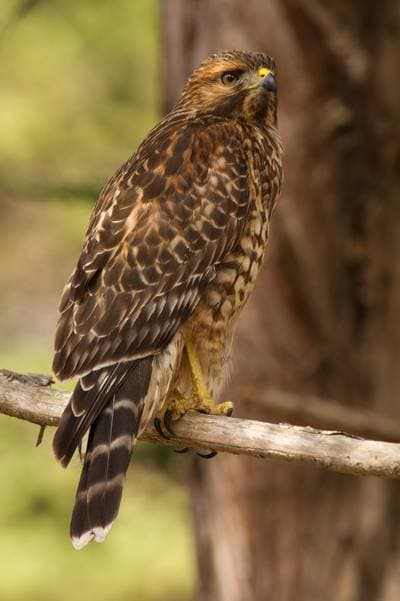
Red-shouldered Hawk
Buteo lineatus
0.47–0.71 kg
10–19 yrs
ForestWetlandWoodland+3
Least Concern
🦅 Birds
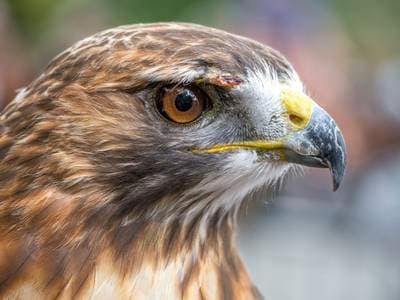
Red-tailed Hawk
Buteo jamaicensis
0.69–1.46 kg
10–21 yrs
ForestWoodlandGrassland+4