Back to blog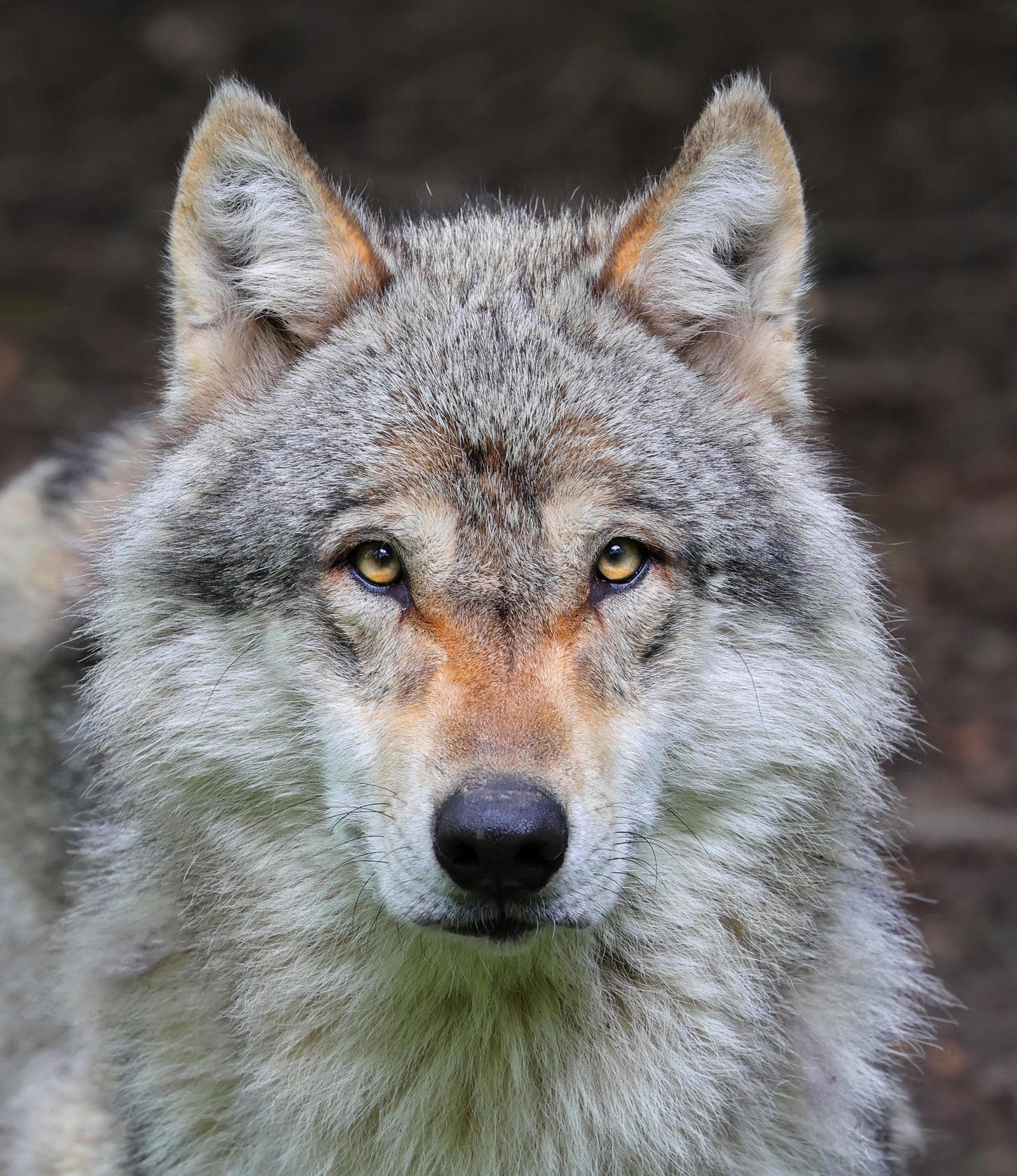
🦁Animal Spotlight3 min read
What Happens if Wolves Disappear? Predators' Crucial Role
The wolf isn't just a predator – it's a keystone species that keeps nature in balance. Discover why ecosystems need wolves!
Clément Bardot
The Wolf – Nature's Balancer
Imagine a forest without wolves. Sounds good? Actually, not at all! The wolf is what we call a keystone species. That means the wolf plays a super important role in all of nature, kind of like the keystone that holds a stone arch together.
When wolves disappear from an area, strange things happen. Suddenly there are too many plant-eating animals like moose and deer. These animals start eating too much from trees and bushes. The forest changes completely, and it affects all the other animals living there.
The Domino Effect in Nature
When wolves hunt moose and deer, something fantastic happens. They keep the number of plant-eaters at just the right level. But that's not all! Here's what happens:
When wolves are in the forest:
- Moose become more cautious and move around more
- Young trees and bushes get the chance to grow
- More birds find places to build nests
- Beavers get more material for their dams
- Rivers and streams change as vegetation grows along the banks
When wolves disappear:
- Moose become too many and eat too much
- Young trees and bushes disappear
- Fewer birds and small animals can survive
- The entire landscape changes
This is called a trophic cascade. It's like pushing the first domino – everything is affected step by step!
The Famous Yellowstone Example
In Yellowstone National Park in the USA, humans killed all the wolves in the 1920s. It took almost 70 years before scientists understood how much nature had changed.
Moose became so numerous that they ate almost all young trees, especially willows and aspens by the rivers. Beavers disappeared because they had no trees to build dams with. Riverbeds eroded. Even bears were affected because they need berries from bushes that the moose had eaten.
In 1995, scientists released wolves back into Yellowstone. Something magical happened! Trees started growing back. Beavers returned. Birds moved in. Even the rivers changed their course! This is called landscape transformation through wolf presence.
Why Are Predators So Important?
Predators like wolves, lynx, and wolverines are nature's health inspectors. They often hunt sick and weak animals first. This keeps the prey animals healthy and strong.
Wolves also leave food for other animals. When they've killed prey, foxes, eagles, ravens, and many other animals eat the remains. In winter, up to 57 different animal species can benefit from a moose carcass that wolves have left!
What Can We Learn?
Nature is like a puzzle where all the pieces are needed. The wolf is one of the most important pieces. Without the wolf, many other pieces fall out of the puzzle.
Today we know that biodiversity – meaning having many different species – makes nature stronger. Ecosystems with predators are more balanced and healthy.
In Sweden, we have about 400 wolves. That's still quite few, but they make a big difference for nature where they live. By protecting predators, we're actually protecting the entire ecosystem!
Next time you hear a wolf howl in the forest (if you're lucky!), remember that sound means nature is doing well. The wolf isn't just an exciting predator – it's a conservationist working for free!